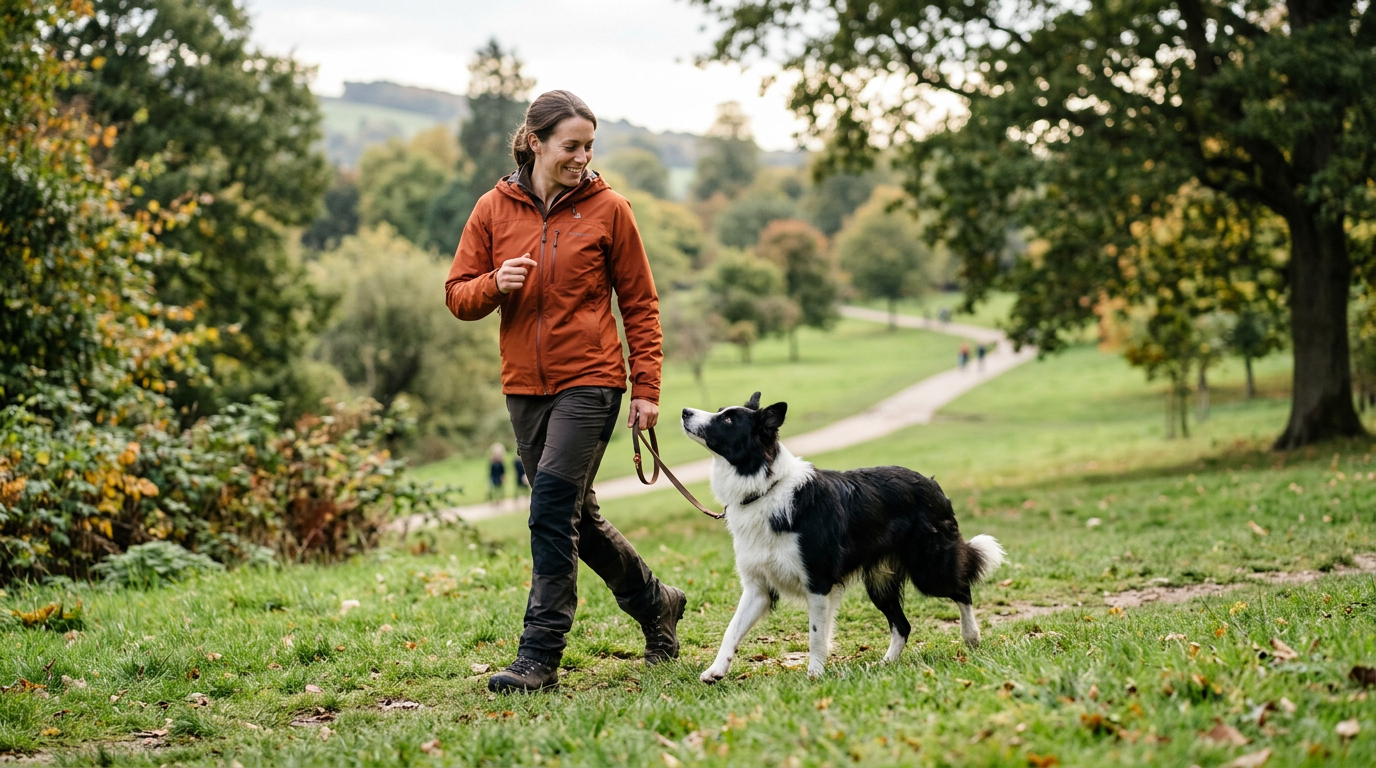
Border Collie Breed Guide: Temperament, Care and Training
A Border Collie can be an exceptional companion for the right household, but this is not a dog that thrives on a short walk and a quiet corner. This Border Collie breed guide explains what daily life with the breed actually involves: structured exercise, serious mental work, patient training, coat care, health planning and realistic home-fit decisions. Border Collies were developed to gather and move livestock with close attention to a handler. That heritage still shows in their speed, focus and instinct to control movement.
Choose a Border Collie because you enjoy training and can make time for it every day—not because the breed is clever or looks athletic. A well-matched dog can be affectionate, responsive and hugely rewarding. An under-worked one may become restless, chase moving objects, bark, pace, herd children or create its own job around the house.
Border Collie ratings at a glance
| Trait | Rating | What it means at home |
|---|---|---|
| Family-friendly | 7/10 | Affectionate with thoughtful supervision, but herding and chase behaviour need management around young children. |
| Exercise requirement | 10/10 | Needs daily physical activity plus purposeful training or enrichment. |
| Grooming | 6/10 | Weekly brushing is typical; shedding seasons demand more frequent work. |
| Trainability | 10/10 | Learns quickly, including habits you did not mean to teach. Clear, reward-based practice matters. |
Breed overview
| Breed group | Herding |
|---|---|
| Size | Medium |
| Typical height | About 18–22 inches at the shoulder |
| Typical weight | About 30–55 pounds; sex, build and activity level affect the individual dog |
| Lifespan | Often 12–15 years |
| Coat | Rough or smooth double coat; many colours and markings occur |
| Best fit | Active, hands-on owners who enjoy training, sport, outdoor work or structured enrichment |
Size does not make this an easy apartment dog. A medium body can still contain intense working-dog drive. Before bringing one home, plan where the dog will exercise safely, how it will rest after activity, and who will train it on busy days. A fenced yard can help, but it does not replace walks, training or a genuine task.
Temperament: alert, sensitive and busy
Border Collies are often intensely observant. Many watch their people closely, notice small changes in routine and respond quickly to movement. This can make them excellent sport or training partners. It also means harsh corrections, chaotic handling and inconsistent rules can unsettle them. Confidence varies between bloodlines and individuals; do not assume every Border Collie is socially outgoing.
Herding behaviour is not disobedience. Staring, crouching, circling and pursuing runners, cyclists, cars or children are expressions of instinct. The safe response is prevention and training: use a secure lead, build a strong recall, reward disengagement and give the dog appropriate outlets such as scent work, rally, agility foundations or supervised herding lessons where available. Never allow vehicle chasing to become a rehearsal.
A calm “off switch” is as important as activity. Teach a settle on a mat, reward relaxed chewing behind a baby gate and schedule quiet time after exercise. This prevents the common mistake of endlessly increasing high-arousal games until the dog expects nonstop entertainment.
Exercise requirements
The practical question is not “How long should a Border Collie walk?” It is “What mix of movement, thinking and recovery does this individual dog need today?” Most healthy adults need substantial daily activity, usually spread across more than one session, alongside training that asks them to use their brain. A slow neighbourhood stroll alone is rarely enough.
A workable daily routine
- Morning: a brisk sniff walk, hike or controlled run appropriate to the dog’s age and fitness, followed by breakfast in a puzzle feeder or scatter feed.
- Midday: five to ten minutes of skills—recall, loose-lead walking, place, hand targets or body-awareness work.
- Evening: a second outing plus a focused activity such as scent searching, obedience, trick training or a low-impact game of retrieve.
- Rest: protected downtime in a quiet place. Exercise should leave the dog satisfied, not wired.
Puppies need careful exercise rather than endurance training. Use short explorations, gentle play and training; avoid forced long runs, repetitive jumping and high-volume ball throwing while joints and coordination are developing. Ask a veterinarian for individual advice before starting running or intense dog sport.
Grooming and shedding
The Border Collie has either a rough or smooth double coat. Both shed, and both need routine care. Brush once or twice a week with a pin brush and comb, working behind the ears, through feathering and around the trousers where tangles develop. During seasonal coat changes, daily or near-daily brushing is more practical. The American Kennel Club’s Border Collie information also recommends regular brushing and notes the dense, weather-resistant double coat.
Bathe only when needed, using a dog-safe shampoo and complete drying. Check nails every few weeks, clean only the visible outer ear when necessary and build tooth brushing into the routine. Start handling lessons early: touch a paw, reward; lift an ear, reward; show the brush, reward. Cooperative grooming prevents a lifetime battle over basic care.
Feeding a Border Collie
Feed a complete and balanced food appropriate for the dog’s life stage and follow the feeding guide as a starting point, not a fixed prescription. A young, highly active working dog and a neutered companion who spends most of the day indoors will not need the same amount. Monitor body condition: you should be able to feel the ribs with light pressure and see a waist from above.
Measure meals, include training treats in the daily allowance and weigh the dog regularly. For dogs doing strenuous work or sport, discuss calories, hydration and timing with a veterinarian. Avoid sudden diet changes unless medically advised. If a Border Collie develops persistent loose stool, itching, weight change, vomiting or reduced appetite, seek veterinary guidance rather than cycling through foods at random.
Common health considerations
No breed guide can predict an individual dog’s health. Border Collies may be affected by inherited eye disease, hip problems, epilepsy and other conditions. Responsible breeders should be open about health history and show results for the tests recommended for their breeding dogs. The Orthopedic Foundation for Animals (OFA) explains that its CHIC programme publishes breed-specific screening recommendations developed with participating breed clubs.
Before buying a puppy, ask to see the parents’ health results in the relevant registry, not simply a verbal assurance. Discuss genetic testing and eye, hip or other screening appropriate to the line with the breeder and your veterinarian. For a rescue dog, arrange a baseline veterinary exam and talk through any signs such as lameness, vision changes, seizures, coughing, unexplained fatigue or behavioural changes.
Daily prevention still matters: maintain a lean body condition, keep vaccinations and parasite prevention current according to local veterinary advice, use safe exercise surfaces and schedule dental care. Health testing reduces risk; it does not guarantee a dog will never become ill.
Training: give the intelligence a direction
This Border Collie breed guide puts training at the centre because the breed’s learning speed cuts both ways. Use short sessions, clear markers and rewards the dog values. Build one behaviour at a time, then practise it in slightly harder places. Train calmness and life skills just as deliberately as tricks.
Priority skills
- Name response and recall: reward turning toward you before adding distance and distractions. Use a long line in unfenced spaces until recall is reliable.
- Loose-lead walking: reinforce a lead that stays slack. Stop before pulling becomes the way the dog reaches interesting things.
- Settle and leave it: these skills help manage visitors, meals, children’s games and wildlife.
- Handling: teach relaxed acceptance of paws, ears, brush, harness and veterinary-style touches.
- Impulse control around movement: practise looking away from joggers, bicycles and play before the dog reaches its threshold.
A good class can provide controlled social exposure, but socialisation is not a free-for-all with other dogs. The goal is a dog that can notice people, dogs, traffic and new places without becoming fearful or overexcited. If you see escalating chase behaviour, reactivity, fear or compulsive patterns, use a qualified force-free trainer and consult your veterinarian about any medical contributors.
Good with children?
Border Collies can live successfully with considerate children, particularly when adults actively supervise and teach both sides the rules. The main risk is herding: a dog may stalk, bark at, nip or chase fast-moving children. Do not leave toddlers and dogs together unsupervised. Give the dog a quiet retreat, interrupt chasing early and involve older children in calm training activities rather than rough games.
Families with several very young, active children should be honest about bandwidth. The dog needs focused work even on days when family life is busy.
Good with cats and other pets?
Some Border Collies coexist well with cats, especially when raised with them and taught to disengage. Others find feline movement highly stimulating. Use gates, lead management and reward-based introductions. Never rely on “they will work it out” if stalking or chasing begins. Small pets and poultry need secure housing; strong herding and prey behaviour can make unsupervised access unsafe.
Apartment suitability
Rating: 3/10. A Border Collie can live in an apartment only with unusually committed management: several purposeful outings, reliable toilet access, noise control, training and a real plan for exercise every day. Shared walls and busy corridors can magnify barking or reactivity. A house is not a guarantee of success, but an apartment should be chosen only when the owner’s time, nearby safe spaces and training plan are solid.
For a lower-intensity apartment companion, compare the needs in our practical guide to dog breeds for apartment living before deciding.
Similar breeds to consider
- Australian Shepherd: another bright herding breed, generally robust and active; still needs substantial work.
- Shetland Sheepdog: smaller, responsive and trainable, though often vocal and not low-maintenance.
- Rough or Smooth Collie: often a more moderate option for people who like herding-breed sensitivity but want less intensity.
- Whippet: athletic outdoors and often calmer indoors, but very different in training style and chase management.
Recommended Border Collie products
These are product categories, not medical claims or a substitute for professional fitting and veterinary advice. Choose durable items sized for the individual dog and supervise use where appropriate.
| Product | Best for | Editorial fit rating |
|---|---|---|
| Front-clip or well-fitted Y-harness | Comfortable daily walks and recall practice | 9/10 |
| Long line | Safe recall training in open spaces | 10/10 |
| Pin brush and metal comb | Double-coat maintenance and checking for tangles | 9/10 |
| Durable food puzzle | Slowing meals and adding low-arousal enrichment | 8/10 |
| Washable mat or bed | Teaching a reliable settle at home | 8/10 |
| Reflective lead and collar tag | Visible, everyday safety on walks | 9/10 |
Is a Border Collie right for you?
A Border Collie is a strong choice for someone who wants a daily training partner and can provide structured exercise, calm recovery and patient guidance. It is a poor choice for someone hoping that intelligence will make ownership effortless. Meet adult dogs, speak with responsible breeders or rescue foster carers, and look beyond appearance. The best Border Collie home offers more than space: it offers consistency, meaningful work and time.
Use this Border Collie breed guide as a starting point, then make decisions with your veterinarian, reputable breed organisations and a trainer who can assess the actual dog in front of you.
Choosing a puppy, adult dog or rescue
There is no shortcut around evaluating the source of a Border Collie. A responsible breeder will ask as many questions as you do. They should explain the temperament and working style of the parents, show where puppies are raised, provide written records and discuss health testing in plain language. Be cautious of anyone who promises that a puppy will be perfect for every household, will never herd, or can be reserved with a payment before you have had a useful conversation.
Ask what the breeder does after puppies leave: whether they offer support, take back dogs they bred if a home fails, and match puppies to owners rather than letting colour decide. If you want a companion rather than a sport prospect, say so. A highly driven puppy may not be the best fit just because it is impressive.
Rescue can be an excellent route. An adult Border Collie may come with some established skills and a known temperament. It may also have gaps in socialisation, a history of chasing or a strong need for predictable routines. Ask the rescue what the dog has done in foster care, how it behaves around visitors and other animals, and what management they recommend. Set up the home before arrival: gates, a quiet sleeping area, secure identification, safe walking equipment and a gradual first-week schedule.
First-month plan for a Border Collie puppy
Start with the life skills that protect the dog’s future freedom. The goal is not an impressive list of tricks. It is a puppy that can rest, be handled, travel safely, return when called and cope with ordinary life.
- Week 1: establish a predictable toilet, meal, sleep and quiet-time routine. Reward the puppy for choosing its bed or pen. Keep visitors brief and positive.
- Week 2: begin name response, collar or harness comfort, gentle body handling and short lead walks in low-distraction areas. Introduce a crate or pen without using it as punishment.
- Week 3: add carefully selected social experiences: different surfaces, calm adults, safe vaccinated dogs and short car journeys. Let the puppy observe at a comfortable distance.
- Week 4: begin simple recall games, food puzzles and “settle” practice. Keep sessions short and finish while the puppy still wants more.
Do not turn every walk into training or every spare minute into stimulation. Puppies need large amounts of sleep. Overtired Border Collie puppies can look hyperactive, mouthy or unable to listen when they actually need a quiet reset.
Budget and time commitment
Plan for more than food and an initial vet visit. A realistic first-year budget includes vaccination and parasite-prevention advice from a local veterinarian, desexing if appropriate for your situation, identification, insurance or an emergency fund, grooming supplies, a secure harness, training classes and replacement enrichment items. Active dogs may also benefit from sport instruction, travel to safe exercise spaces or a dog walker who understands reward-based handling.
Time is the larger cost. Expect to train in small pieces every day, maintain a safe exercise routine through bad weather, groom the coat, practise calm behaviour and arrange care that does not simply leave the dog under-stimulated. If work or family routines change, decide in advance who will meet those needs. A dog walker can help, but it is not a complete substitute for owner-led training and connection.
Common mistakes to avoid
- Making fetch the only activity: repetitive high-speed chasing can create a dog that demands the ball without learning to settle. Mix movement with sniffing, food searches and calm skill work.
- Waiting for the dog to “grow out of” chasing: prevent rehearsal immediately. Use distance, leads and structured rewards before chasing becomes self-reinforcing.
- Confusing busy behaviour with a need for more speed: improve sleep, reduce arousal and teach a settle before automatically adding harder exercise.
- Using punishment for instinct: address the setup and teach an alternative. A frightened or frustrated dog is not easier to live with.
- Skipping breed-appropriate health questions: ask for actual screening records and maintain regular veterinary care after bringing the dog home.
Questions to answer before committing
Use a practical checklist before you commit to this breed. Can you give the dog safe off-lead-style freedom through a fenced space, long-line work or sport training rather than relying on luck? Are you prepared to prevent chasing around roads, scooters and children from the first day? Does everyone in the household agree on rules for doors, furniture, feeding and greetings? A Border Collie notices loopholes quickly.
Also consider the dog’s likely life stages. An energetic young adult may need more structure than a puppy. A senior dog still benefits from training and enrichment but may need shorter, lower-impact activity and more veterinary support. The right plan changes with the dog; it is not a fixed mileage target copied from another owner.
Preparing your home
Set up management before the dog arrives. Use a secure bin, put food away, check fencing for gaps and create separation options with doors or gates. Place a bed or mat where the household can reward calm behaviour without isolating the dog from everyone. In a busy home, a visual barrier can prevent repeated rehearsals of window barking or corridor vigilance.
For walks, choose a secure collar or harness fitted so the dog cannot back out, a standard lead for normal outings and a long line only in an open area where it cannot wrap around people, dogs or obstacles. Update the identification tag and registration details promptly. These simple systems matter more than buying a long list of novelty toys.
How to judge progress
Progress is not measured by how exhausted the dog looks. Look for useful changes: a faster response to name, fewer fixations on moving triggers, a dog that can chew or sleep after an outing, easier grooming, and a recall that holds up around ordinary distractions. Keep a short training note for two weeks. Record the setting, the behaviour, what you did and what changed. Patterns are easier to solve when they are written down.
If training stalls, reduce difficulty. Work farther away from the trigger, shorten the session or raise the reward value. Getting one easy repetition right is more useful than repeating a hard situation until the dog fails. This approach keeps learning clear and helps protect the thoughtful, responsive nature that makes the breed special.
Conclusion
The Border Collie rewards preparation. Its intelligence and athleticism shine when an owner provides clear training, varied enrichment, safe management and enough rest. Take the time to meet adults, review health information, budget for training and build a routine that will still work in winter, on busy workdays and through the dog’s later years. When those pieces are in place, this demanding breed can be an extraordinary companion.
Does this breed fit your life?
Use the dog lifestyle quiz to compare this breed with your home and routine, browse the breed database, or compare breeds side by side before deciding.