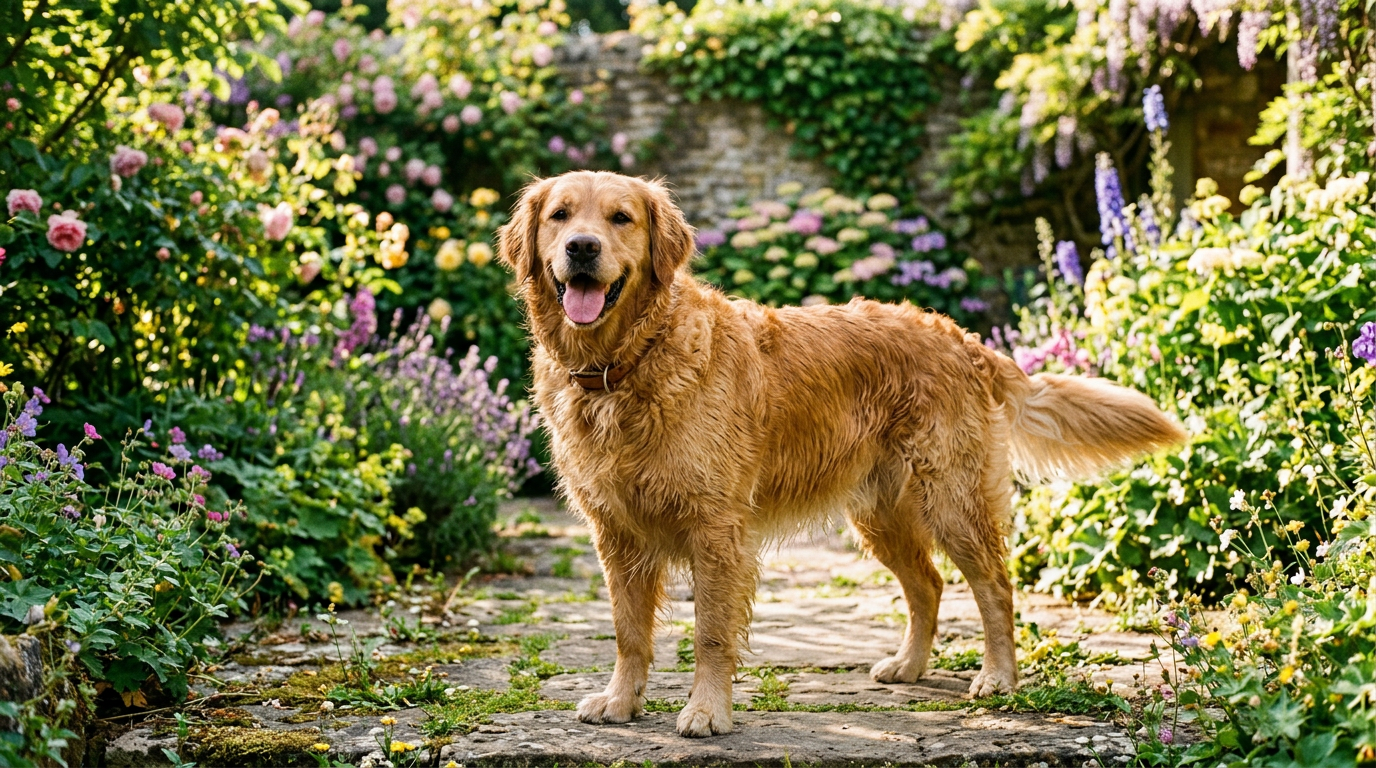
This Golden Retriever breed guide covers temperament, exercise, grooming, training and everyday care. Use it to decide whether you can meet the breed’s needs and to plan life with a Golden. A breed profile is a starting point: age, health and individual temperament also matter.
Golden Retriever Quick Ratings:
- Family-friendly: 10/10
- Exercise requirement: 8/10
- Grooming: 7/10
- Trainability: 9/10
Golden Retriever breed overview
The Golden Retriever’s story begins in the Scottish Highlands during the mid-19th century. Sir Dudley Marjoribanks, later known as Lord Tweedmouth, set out to create a superior retrieving dog capable of enduring the harsh terrain and cold, wet conditions of his estate, Guisachan. He meticulously bred a yellow Flat-coated Retriever named Nous with a Tweed Water Spaniel named Belle. Over several generations, infusions of Irish Setter, Bloodhound, and other retrievers were added, carefully selecting for specific traits: excellent retrieving instincts, a soft mouth, water affinity, and a gentle, cooperative temperament.
Initially known as the “Flat-coated Retriever, Golden” or “Yellow Retriever,” the breed gained recognition from the Kennel Club in 1913, eventually adopting the official name “Golden Retriever” in 1920. Their working heritage as gundogs, retrieving fowl from land and water, profoundly shaped their physical and behavioral characteristics. Today, while many Goldens are cherished family pets, they retain these innate instincts, requiring purposeful activity and mental engagement to truly thrive.
Size & Weight
Golden Retrievers are medium-large dogs with a powerful, athletic build designed for endurance and agility.
- Males: Typically stand 23-24 inches (58-61 cm) tall at the shoulder and weigh between 65-75 pounds (29-34 kg).
- Females: Usually stand 21.5-22.5 inches (55-57 cm) tall at the shoulder and weigh between 55-65 pounds (25-29 kg).
These dogs should appear balanced and well-proportioned, reflecting their working ancestry. Maintaining an appropriate weight is crucial for their health, as obesity can exacerbate joint problems and other health risks.
Lifespan
The average lifespan for a Golden Retriever is typically 10 to 12 years. Some studies suggest females may live slightly longer than males. Consistent veterinary care, a balanced diet, proper exercise, and proactive management of potential health issues contribute significantly to a longer, healthier life. They generally reach their senior years around age 8-10, at which point their care routines may need adjustment.
Temperament
The temperament of a Golden Retriever is arguably its most celebrated trait. They are renowned for their gentle, affectionate, and friendly nature, making them exceptional family pets and therapy animals.
- Natural Friendliness: Goldens are naturally outgoing with people, including strangers. They rarely exhibit guarding instincts, often greeting newcomers with enthusiastic tail wags rather than suspicion. This trait, while charming, means they are not suited to be guard dogs.
- Intelligence and Trainability: Consistently ranked among the most intelligent breeds, Golden Retrievers are highly trainable. They learn quickly, retain commands well, and possess an innate desire to please their owners. Their intelligence demands mental stimulation; without it, they can become bored and potentially develop undesirable behaviors like destructive chewing or excessive attention-seeking.
- Emotional Sensitivity: Goldens are emotionally perceptive, often sensing and responding to human moods. This sensitivity makes them excellent therapy dogs but also means they respond best to positive reinforcement training methods. Harsh or rough treatment can cause them to become stressed or withdrawn.
- Working Instincts: Despite their role as family companions, modern Goldens retain strong retrieving instincts. They love games of fetch, carrying objects, and often present toys to their owners. Their “soft mouth,” developed for retrieving game without damage, makes them gentle during play, even with children.
- Social Nature: These dogs thrive on companionship and want to be involved in family activities. They do not do well when isolated or left alone for extended periods, which can lead to separation anxiety. They generally get along well with other dogs and animals when properly socialized.
- Energy Levels: While known for their calm demeanor indoors, Golden Retrievers possess significant energy. They require substantial daily physical exercise and mental engagement to remain well-behaved and content. A well-exercised Golden is typically a happy, calm Golden. Their high energy often persists through much of their adult lives.
Exercise Requirements
Golden Retrievers are active dogs needing consistent and substantial daily exercise to maintain their physical and mental well-being. This is not a breed content with a quick walk around the block.
- Daily Minimum: Adult Golden Retrievers require at least 60-90 minutes of dedicated exercise daily. This should be split into multiple sessions and incorporate both physical exertion and mental stimulation. This need remains high through most of their lives, only gradually decreasing in their senior years (around 8-10 years old).
- Types of Exercise:
- Structured Walks/Runs: Brisk walks, jogging, or running provide excellent cardiovascular exercise. Keeping them leashed outside of secure, fenced areas is crucial due to their strong prey drive and tendency to be distracted by wildlife.
- Fetch and Retrieval Games: Their inherent retrieving drive makes games of fetch a favorite and effective way to burn energy. This also provides mental engagement.
- Swimming: Most Goldens adore water and are natural swimmers. Swimming offers excellent, low-impact exercise, beneficial for joint health, especially in older dogs. Introduce swimming gradually and always supervise.
- Hiking and Outdoor Adventures: They make excellent companions for longer hikes, exploring new environments, and participating in dog sports.
- Mental Stimulation: Physical exercise alone is often insufficient. Golden Retrievers need mental challenges to prevent boredom.
- Training Sessions: Regular training, even short sessions, keeps their minds active.
- Puzzle Toys: Toys that dispense treats or require problem-solving to unlock food are excellent for mental enrichment.
- Scent Work/Nose Games: Engaging their powerful sense of smell through scent work or hide-and-seek games can be incredibly satisfying for them.
- Seasonal Adaptations: Their thick double coat means they can overheat in warm weather. Modify exercise routines during hot months:
- Exercise during cooler parts of the day (early morning, late evening).
- Ensure access to shade and plenty of fresh water.
- Monitor for signs of heat exhaustion.
- Conversely, their coat provides good insulation in cooler weather, allowing for more robust activity.
Consistent exercise is paramount. An under-exercised Golden Retriever can become destructive, restless, and prone to behavioral issues.
Golden Retriever grooming and shedding
For practical next steps, use our Golden Retriever brushing routine.
The Golden Retriever’s beautiful double coat is a hallmark of the breed, but it requires diligent grooming. They are not a low-maintenance breed when it comes to coat care.
- Shedding: Golden Retrievers shed year-round, with heavier “blowing” of their coat occurring twice a year, typically in spring and fall. During these seasonal shedding periods, the amount of hair can be substantial.
- Brushing:
- Daily Brushing: To manage shedding, prevent matting, and distribute natural oils, daily brushing is ideal. A slicker brush and an undercoat rake are essential tools.
- Seasonal Shedding: During heavy shedding periods, daily brushing becomes critical. An undercoat rake helps remove the loose, dense undercoat. Neglecting this can lead to painful mats, especially behind the ears, on the hind limbs, and around the tail.
- Bathing:
- Bathe your Golden Retriever every 6-8 weeks, or as needed if they get particularly dirty.
- Use a dog-specific shampoo formulated for their coat type. Over-bathing can strip natural oils, leading to dry skin or coat issues.
- Ensure thorough rinsing to prevent skin irritation. Pay attention to drying areas prone to moisture retention, like under their ears and between paw pads, to prevent infections.
- Nail Care: Regular nail trimming is vital. Overgrown nails can cause discomfort, alter their gait, and lead to paw problems. Trim nails every 3-4 weeks, or as frequently as needed. If you hear their nails clicking on hard floors, they are too long.
- Ear Cleaning: Golden Retrievers have floppy ears, which can trap moisture and debris, making them prone to ear infections.
- Check their ears weekly for redness, odor, or discharge.
- Clean them every 2-3 weeks, or after swimming/bathing, using a vet-approved ear cleaner with a drying agent.
- Dental Care: Dental hygiene is often overlooked but is crucial for overall health.
- Brush their teeth daily or several times a week using dog-specific toothpaste and a toothbrush.
- Regular dental chew toys and vet dental check-ups can supplement brushing.
- Professional Grooming: Many owners opt for professional grooming every 6-8 weeks for thorough bathing, de-shedding treatments, nail trims, and sanitary trims. While an added expense, it can greatly help maintain coat health and reduce household shedding. Avoid shaving a Golden Retriever unless medically necessary, as their double coat provides insulation against both heat and cold and helps protect their skin from sunburn.
Feeding
Proper nutrition is fundamental for a Golden Retriever’s health, longevity, and energy levels. Their dietary needs evolve with age.
- Life Stage Nutrition:
- Puppies (0-12/18 months): Golden Retriever puppies require a high-quality large-breed puppy food. These formulas are designed to control growth rates and provide appropriate calcium and phosphorus ratios to prevent orthopedic issues like hip and elbow dysplasia.
- Adults (1-7/8 years): Transition to a high-quality large-breed adult dog food. Look for balanced protein (22-26%), moderate fat (12-16%), and complex carbohydrates for sustained energy.
- Seniors (7/8+ years): Older Goldens benefit from senior formulas that are typically lower in calories to prevent weight gain (as activity decreases), higher in fiber for digestive health, and often include joint-supporting supplements like glucosamine and chondroitin.
- Quality Food Selection: Choose commercial dog foods that meet AAFCO (Association of American Feed Control Officials) standards, ensuring they are complete and balanced. Prioritize formulas with real meat as the first ingredient and avoid grain-free diets unless specifically recommended by your vet, due to potential links with Dilated Cardiomyopathy (DCM).
- Feeding Schedule and Portion Control:
- Puppies: Young puppies typically eat 3-4 meals per day. By 6 months, transition to two meals daily.
- Adults: Full-grown Goldens do well with two meals per day (morning and evening). Avoid free-feeding, which can lead to obesity.
- Portion Control: Follow manufacturer guidelines, but always adjust based on your dog’s activity level, metabolism, and body condition. Regularly monitor their weight and consult your veterinarian for specific feeding recommendations.
- Weight Management Importance: Golden Retrievers are prone to obesity, which can worsen joint problems, heart conditions, and decrease overall lifespan. Maintain an ideal body condition where you can easily feel their ribs without seeing them and they have a visible waist.
- Treats and Training Rewards: Goldens are often highly food-motivated, making treats excellent for training. However, treats should constitute no more than 10% of their daily caloric intake to prevent weight gain. Opt for healthy options like small pieces of chicken, carrots, green beans, or blueberries.
- Foods to Avoid: Keep toxic foods out of reach: chocolate, grapes, raisins, onions, garlic, xylitol (artificial sweetener), macadamia nuts, and cooked bones. Be cautious with fatty treats, which can cause pancreatitis.
- Bloat Prevention: Deep-chested breeds like the Golden Retriever are susceptible to bloat (gastric dilatation-volvulus), a life-threatening condition. To reduce risk:
- Feed two smaller meals instead of one large one.
- Use a slow-feeder bowl if your dog eats quickly.
- Avoid vigorous exercise immediately before or after meals (wait 30-60 minutes).
- Always provide fresh water.
Common Health Considerations
While generally healthy, Golden Retrievers are predisposed to several genetic and breed-specific health issues. Responsible breeding practices, including health clearances for parent dogs, significantly reduce the incidence of these conditions. Regular veterinary check-ups and proactive care are crucial for early detection and management.
- Cancer: Unfortunately, cancer is a leading cause of death in Golden Retrievers, affecting approximately 50-60% of the breed. Key types include:
- Hemangiosarcoma: An aggressive cancer of blood vessel cells, often affecting the spleen, liver, or heart. It can cause internal bleeding if tumors rupture.
- Lymphoma/Lymphosarcoma: Cancer of the lymphatic system, which can affect lymph nodes and other organs.
- Mast Cell Tumors: Skin tumors that can be benign or aggressive.
- Osteosarcoma: Bone cancer.
- Prevention & Detection: Regular vet exams, monitoring for lumps, weight loss, lethargy, or changes in appetite are vital. The Golden Retriever Lifetime Study is actively researching cancer in the breed.
- Orthopedic Conditions:
- Hip Dysplasia: A hereditary condition where the hip joint doesn’t fit properly, leading to instability, pain, and arthritis. Symptoms include lameness, difficulty rising, a “bunny-hopping” gait, and reluctance to exercise.
- Elbow Dysplasia: Similar to hip dysplasia, affecting the elbow joint. It can cause lameness and pain in the front legs, often appearing in young dogs.
- Prevention & Detection: Reputable breeders screen breeding dogs for these conditions. Maintaining a healthy weight and appropriate exercise (avoiding excessive high-impact activities in puppies) helps manage symptoms.
- Heart Conditions:
- Subvalvular Aortic Stenosis (SAS): A congenital heart defect where fibrous tissue obstructs blood flow from the heart. Mild cases may be asymptomatic, but severe SAS can cause lethargy, exercise intolerance, collapse, and sudden death. A heart murmur may be detected during vet exams.
- Eye Problems:
- Progressive Retinal Atrophy (PRA): An inherited disease causing gradual degeneration of the retina, leading to blindness. There is no cure, but affected dogs adapt well with proper care.
- Cataracts: Clouding of the eye lens, common in older Goldens, but can also be hereditary and appear earlier.
- Pigmentary Uveitis: An inherited condition where cysts develop in the eye, potentially leading to glaucoma or cataracts.
- Prevention & Detection: Annual eye exams by a veterinary ophthalmologist are recommended, and reputable breeders should have OFA eye certifications for breeding stock.
- Skin and Ear Conditions:
- Atopic Dermatitis (Environmental Allergies): Goldens are prone to allergies triggered by pollen, dust mites, and other environmental factors. Symptoms include excessive scratching, licking, chewing, skin inflammation, hair loss, and recurring ear infections.
- Hot Spots (Acute Moist Dermatitis): Localized skin infections that develop rapidly, often secondary to allergies or excessive licking/scratching.
- Ichthyosis: An inherited skin condition causing dry, flaky, scaly skin and dandruff, often without intense itching.
- Ear Infections: Their floppy ears trap moisture, making them susceptible to yeast and bacterial ear infections, especially in humid climates or if allergies are present.
- Prevention & Detection: Regular grooming, allergy management (diet, medication, environmental control), and routine ear cleaning are key.
- Hypothyroidism: An endocrine disorder where the thyroid gland produces insufficient hormones. Symptoms include weight gain, lethargy, poor coat quality (thinning, dry, dull), recurrent skin/ear infections, and cold intolerance. It is manageable with lifelong medication.
- Obesity: Due to their love of food, Goldens are prone to obesity if not properly managed. This exacerbates many other health issues.
- Bloat (Gastric Dilatation-Volvulus): As mentioned in feeding, this life-threatening condition requires immediate veterinary attention if symptoms like distended abdomen, retching without vomit, restlessness, or excessive drooling appear.
Preventive measures, including buying from reputable breeders who conduct health screenings, maintaining a healthy weight, providing proper nutrition, and consistent veterinary care, are the best defense against these common Golden Retriever health problems. Pet insurance is also a wise consideration to help manage potential veterinary costs.
Training
Golden Retrievers are highly intelligent and eager to please, making them one of the easiest breeds to train. This makes them an excellent choice for first-time dog owners, but consistency and positive reinforcement are still crucial.
- Early Socialization: Critical for developing a well-adjusted Golden. Between 3 and 14 weeks of age, expose puppies to a wide variety of sights, sounds, people (of all ages and appearances), other vaccinated dogs, and different environments. This builds confidence and prevents fearfulness or anxiety later in life.
- Basic Obedience Training: Goldens excel at learning commands like sit, stay, come, down, and heel. Start training as soon as you bring your puppy home.
- Positive Reinforcement: Use treats, praise, and play to reward desired behaviors. Goldens are sensitive and respond poorly to harsh corrections.
- Consistency: Everyone in the household should use the same commands and expectations.
- Short, Fun Sessions: Keep training sessions brief (5-10 minutes) and engaging, especially for puppies, to maintain their focus and enthusiasm.
- House Training and Crate Training: Most Goldens house train relatively easily with a consistent routine, frequent potty breaks, and positive reinforcement for appropriate elimination. Crate training provides a safe den for your dog, aids in house training, and can help prevent separation anxiety and destructive behavior when unsupervised.
- Addressing Common Behavioral Challenges: While generally well-behaved, Goldens can develop common issues if their needs aren’t met:
- Jumping: Their enthusiasm can lead to jumping on people. Teach an alternative behavior like “sit” to greet.
- Mouthiness/Nipping: Common in puppies, especially during teething. Redirect to appropriate chew toys and teach bite inhibition.
- Counter Surfing: Their height and opportunistic nature can lead to stealing food from counters. Management (keeping counters clear) and “leave it” commands are helpful.
- Attention-Seeking: Barking, nudging, or pawing for attention. Teach them that calm behavior earns attention.
- Most behavioral problems stem from insufficient exercise, lack of mental stimulation, or inconsistent training. Addressing these underlying needs often resolves the issues.
- Advanced Training Opportunities: Goldens thrive when given a “job” or purpose. They excel in various activities:
- Obedience and Rally: Competitive obedience showcases their trainability.
- Agility: Navigating obstacle courses challenges both mind and body.
- Therapy and Service Work: Their gentle nature and emotional intelligence make them superb therapy dogs and assistance dogs.
- Tracking and Scent Work: Utilizes their natural strong sense of smell.
- Hunting/Field Trials: For those interested in their original purpose, working lines excel in retrieving game.
Investing in a good force-free obedience class is highly recommended, especially for new owners. Training strengthens the bond between dog and owner and ensures a well-mannered companion.
Good with children?
Golden Retrievers are renowned for being exceptionally good with children, earning them a perfect 10/10 in family-friendliness. Their patient, gentle, and tolerant nature makes them ideal family dogs. However, several considerations ensure a safe and positive relationship:
- Gentle Temperament: Goldens possess a natural gentleness and a low propensity for aggression, often viewing children as part of their “pack” to protect and play with. Their “soft mouth” means they are naturally careful, even when playing.
- Supervision is Key: Despite their good nature, always supervise interactions between dogs and young children. Golden Retriever puppies, especially, can be rambunctious and may accidentally knock over small children due to their size and enthusiasm.
- Teaching Respect: It is crucial to teach children how to interact respectfully with dogs. This includes not pulling ears or tails, not disturbing a dog while it’s eating or sleeping, and understanding appropriate play. A well-socialized Golden has limits, and every dog’s patience can eventually wear thin.
- Puppy Mouthiness: Golden Retriever puppies tend to be “mouthy,” using their mouths to explore and play. This nipping and play-biting is normal puppy behavior, but it must be gently redirected and trained out using positive reinforcement to ensure they don’t develop problematic biting habits as adults.
- Inclusion in Family Life: Goldens thrive when they are integrated into family activities. They cherish being part of the family unit and will often seek out children for play or cuddles.
With proper socialization from a young age and consistent guidance for both children and the dog, a Golden Retriever can be a truly devoted and loving companion for a family with children.
Good with cats?
Well-socialized Golden Retrievers typically get along well with cats and other household pets, especially if introduced properly. Their generally friendly and non-aggressive nature extends to other animals.
- Early Introduction: The best scenario is for a Golden Retriever puppy to be raised with cats. This allows them to learn appropriate boundaries and behaviors from a young age.
- Gradual Introductions: When introducing an adult Golden to a cat or other small pet, manage the interaction carefully and gradually.
- Start with controlled, supervised meetings, keeping the dog on a leash.
- Ensure the cat has an escape route and safe spaces where the dog cannot reach.
- Reward calm behavior from both animals.
- Never leave them unsupervised until you are certain they are comfortable and safe together.
- Prey Drive: While Goldens are generally good with other animals, they are still retrievers with a natural prey drive. Some individuals may have a stronger urge to chase smaller, fast-moving creatures. Consistent training (e.g., “leave it” and “stay”) is important to manage this.
- Size Difference: A Golden Retriever’s size and exuberance can sometimes unintentionally overwhelm smaller pets. Supervision is essential to prevent accidental injury during playful interactions.
With patience, proper introductions, and continued socialization, a Golden Retriever can harmoniously share a home with cats and other animals.
Apartment Suitability?
The suitability of a Golden Retriever for apartment living is a nuanced question. While their temperament makes them adaptable, their exercise and social needs are significant.
- Energy Levels: Golden Retrievers are high-energy dogs. They absolutely require substantial daily exercise and mental stimulation, regardless of living space. A small apartment is not a substitute for outdoor activity. If their exercise needs are met, they can be calm and well-behaved indoors.
- Social Needs: Goldens are deeply attached to their families and thrive on companionship. They are not dogs that do well left alone for long periods, which can lead to destructive behaviors or separation anxiety, regardless of whether they live in an apartment or a large house. They need to be an integral part of family life.
- Space Consideration: While an apartment doesn’t necessarily hinder a well-exercised Golden, their size means they take up considerable space. Owners must be comfortable sharing their living area with a large dog.
- Shedding: Their significant shedding can be a larger concern in smaller spaces, requiring more frequent cleaning.
- Noise: Goldens are generally not excessive barkers, which is a plus for apartment dwellers. However, individual dogs vary.
- Commitment: Ultimately, apartment suitability comes down to the owner’s commitment. An owner willing to provide 1-2 hours of vigorous exercise daily, consistent training, and ample companionship can successfully raise a Golden Retriever in an apartment. For those seeking a low-maintenance, low-energy apartment dog, a Golden Retriever is not the right choice.
Similar Breeds
If the Golden Retriever’s characteristics appeal to you, but you’re exploring other options, several breeds share similar traits, particularly within the retriever and sporting groups.
- Labrador Retriever: Often compared to Goldens, Labradors also offer an outgoing, friendly, and trainable temperament. They are equally high-energy but tend to have a shorter, easier-to-maintain coat with less shedding. Labs come in black, yellow, and chocolate.
- Flat-Coated Retriever: A breed from which the Golden Retriever descends, Flat-coats are known as the “Peter Pan” of the dog world due to their perpetually youthful and enthusiastic nature. They share the Golden’s retrieving instincts, intelligence, and affectionate temperament but are typically leaner and have a single-layer, feathered coat (black or liver). They require significant exercise.
- Nova Scotia Duck Tolling Retriever: Smaller than a Golden, the “Toller” is an intelligent, high-energy retriever known for its unique “tolling” action (luring waterfowl). They are playful, affectionate with family, and highly trainable, but their high drive requires a dedicated owner.
- Chesapeake Bay Retriever: A hardy, powerful retriever known for its exceptional water retrieving skills. Chessies are loyal and protective of their families but can be more reserved with strangers and have a stronger independent streak than Goldens, requiring more experienced handling. Their dense, oily coat is distinctive.
- Irish Setter: A striking, high-energy sporting dog with a beautiful red coat. Irish Setters are affectionate, playful, and good with children but can be more boisterous and require substantial exercise to manage their boundless energy. They also need significant grooming.
These breeds offer variations in size, coat type, and intensity, but generally share the Golden Retriever’s core traits of intelligence, trainability, and a love for activity and companionship.
Recommended Golden Retriever Products
Choosing the right products supports your Golden Retriever’s health, happiness, and training. Here are some top recommendations:
| Product | Best for | Rating |
|---|---|---|
| Large Breed Puppy Food | Optimal growth for puppies | 9/10 |
| Adult Large Breed Dog Food | Sustained energy & joint health | 9/10 |
| Orthopedic Dog Bed | Joint support for large breeds | 10/10 |
| Slicker Brush | Daily de-shedding | 9/10 |
| Undercoat Rake | Heavy shedding seasons | 10/10 |
| Durable Chew Toys | Strong chewers, mental enrichment | 8/10 |
| Interactive Puzzle Feeder | Mental stimulation, slow eating | 9/10 |
| Long Training Leash (15-30ft) | Recall training, safe exploration | 8/10 |
| No-Pull Front-Clip Harness | Leash training, walking control | 9/10 |
| Dog-Specific Ear Cleaner | Preventing ear infections | 8/10 |
| Pet Stain & Odor Remover | Managing accidents & shedding | 9/10 |
| Dog-Safe Shampoo & Conditioner | Maintaining coat health | 8/10 |
| Pet Insurance Plan | Managing unforeseen vet costs | 10/10 |
Conclusion
The Golden Retriever is more than just a popular breed; it’s a devoted companion, an intelligent worker, and a joyful family member. Their gentle disposition, remarkable trainability, and boundless enthusiasm make them a constant source of happiness for those who understand and meet their needs. While their high exercise requirements and significant grooming commitment demand dedication, the rewards of sharing your life with a Golden Retriever are immeasurable.
Prospective owners must commit to providing ample physical and mental stimulation, consistent positive training, and thorough grooming. They thrive on human companionship and integration into family activities, quickly becoming the heart of the home. By understanding the breed’s history, temperament, and health considerations, you can ensure a long, healthy, and fulfilling life for your Golden. Whether you’re considering a puppy from a reputable breeder or adopting an adult from a rescue, the journey with a Golden Retriever promises loyalty, laughter, and an unwavering furry shadow by your side.
Choosing the right dog for your lifestyle
Comparing larger breeds? Read our German Shepherd breed guide. If you live in a flat, review the practical considerations in our guide to apartment-friendly dog breeds.
Further reading
For an additional overview, see the AKC Golden Retriever breed profile. Breed descriptions do not replace individual veterinary or behavioural advice.
Does this breed fit your life?
A breed profile is a starting point. Use the dog lifestyle quiz to match your home and routine, explore the breed database, or compare breeds side by side before deciding.