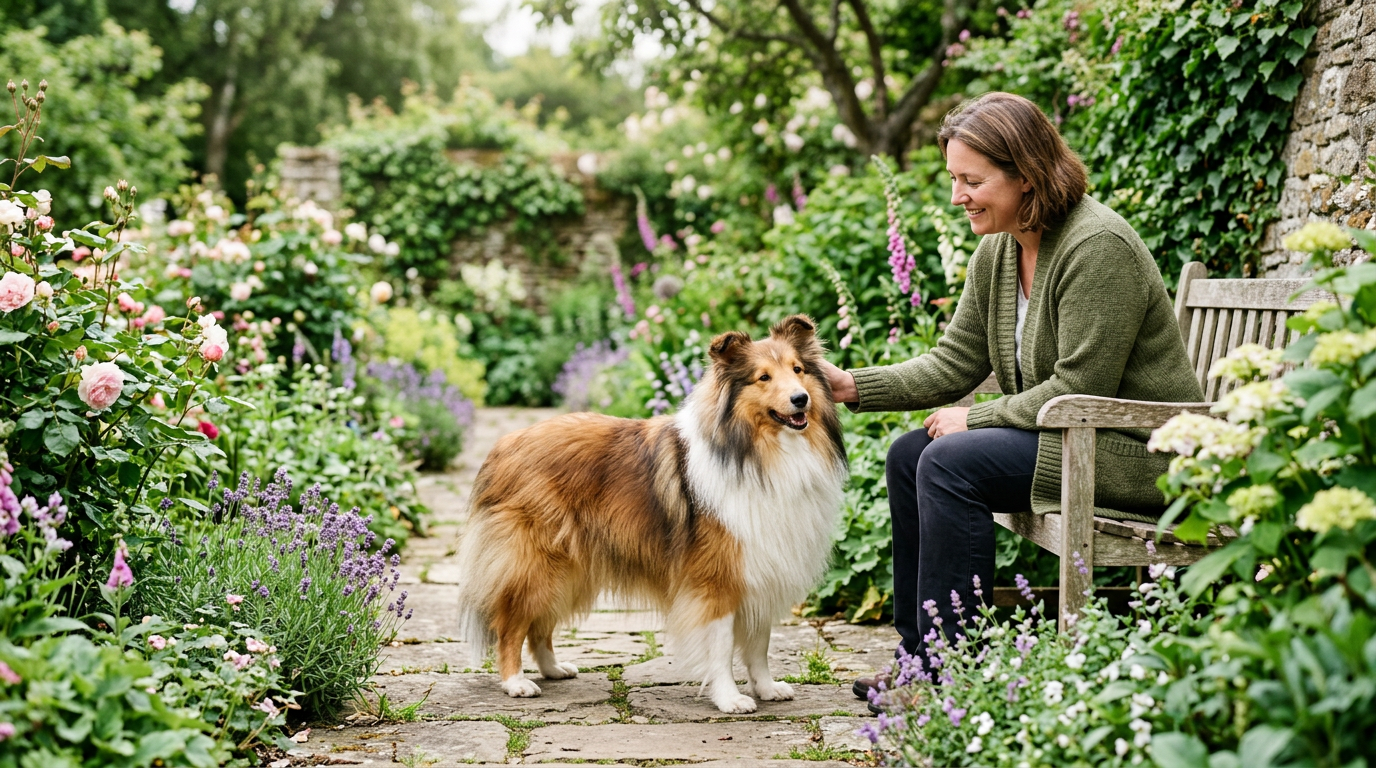
Shetland Sheepdog Breed Guide: Temperament, Care and Lifestyle Fit
Quick answer: A Shetland Sheepdog can be a rewarding companion for owners who want a trainable, involved small herding dog and will make time for coat care and confidence-building. It is not automatically the right dog for every home. The everyday fit depends on your time, training skills, budget, household, ability to manage care and willingness to work with the dog that is actually in front of you.
At a glance
- Breed type: small-to-medium, bright herding breed
- Best home: a home that can provide regular interaction, training and a calm plan for barking, whether that is an apartment or a house
- Exercise: Daily walks plus short training sessions, scent games or agility-style activities. They are active and clever, not simply decorative small dogs.
- Owner experience: a committed first-time owner can do well with good support; patience and consistency matter more than harshness
- Grooming: Expect a weatherproof double coat, regular brushing and heavier seasonal shedding.
Temperament: what daily life can feel like
Breed descriptions are useful tendencies, not promises. Individual temperament is shaped by genetics, early care, health, socialisation, learning history and the environment. Meet the individual dog where possible and ask a rescue or breeder how it responds to handling, visitors, other dogs, rest and new places.
With a Shetland Sheepdog, the practical question is not whether the breed is “good” or “bad”. It is whether its typical needs fit the life you can sustain on ordinary weekdays. owners who want a trainable, involved small herding dog and will make time for coat care and confidence-building will usually find the relationship more straightforward than a home that hopes the dog will naturally adapt to a very different routine.
Exercise, enrichment and rest
Daily walks plus short training sessions, scent games or agility-style activities. They are active and clever, not simply decorative small dogs. A useful routine combines physical activity with sniffing, problem-solving and the skill of settling quietly. More frantic exercise is not always the answer: dogs also need sleep, predictable downtime and calm behaviour rewarded in the home.
Build activity around the individual dog’s age, health and conditioning. Puppies need short, appropriate opportunities rather than adult mileage. Older dogs or dogs with health concerns may need a veterinarian-guided plan. Safe recall, secure areas and weather conditions should shape every outing.
Training and socialisation
Use reward-based training to build confidence, recall, cooperative grooming and quieter responses to doorbells, hallways and passing movement. Herding breeds can notice everything, so teach them that they do not need to manage it all.
Socialisation is not forcing a dog to greet everyone. It is teaching the dog that people, traffic, other dogs, grooming, vet handling and unfamiliar settings can be handled safely. Give the dog distance where needed, use good rewards and seek qualified help early if fear, guarding, reactivity or separation distress appears.
Home, workdays and time alone
Many prefer close company. Build alone time gradually and make sure the routine includes rest, enrichment and a calm return. Before bringing home a puppy or rescue dog, write down a normal Monday-to-Friday plan: morning care, toilet breaks, exercise, training, feeding, emergency cover and who helps when life changes. A fenced yard is useful but does not replace company, training or a walk.
Build alone time gradually from the start. Avoid leaving a new dog for a full workday simply because it has access to a crate, room or garden. If you hear persistent barking, see destructive behaviour or notice distress around departures, reduce the difficulty and ask a qualified behaviour professional for support.
Children, other pets and visitors
Often affectionate and responsive, but individual sensitivity varies. Children should be taught to interact gently and adults should supervise any dog around fast movement or noise.
No breed label removes the need for supervision. Adults should manage doors, food, toys, resting spaces and early introductions. Give the dog a quiet place where children and visitors do not disturb it. For homes with cats or small animals, discuss prey drive and previous experience with the rescue or breeder rather than assuming compatibility.
Grooming and routine care
Expect a weatherproof double coat, regular brushing and heavier seasonal shedding. Start cooperative care young: touch paws and ears briefly, reward calm handling and make brushing predictable. Regular checks make it easier to notice coat, skin, ear, dental or mobility changes early. Your veterinarian and a reputable groomer can show you a safe routine for the individual dog.
Health and responsible sourcing
Ask about eye screening and breed-relevant DNA testing, including discussion of Collie Eye Anomaly where relevant. Talk through family health history with the breeder and your veterinarian. Ask for documentation, not verbal reassurance. Health screening helps reduce risk; it cannot guarantee that an individual dog will never become ill. A good breeder should welcome questions, explain their decisions and be interested in whether your home is a suitable fit. A good rescue should be honest about observed behaviour, known medical history and the support it can provide.
For current breed-specific health and screening information, see recognised breed health guidance for the Shetland Sheepdog. This guide is general education and is not a substitute for veterinary or behavioural advice for an individual dog.
Budget and commitment
Budget for food, preventive veterinary care, insurance or an emergency fund, training, grooming where relevant, equipment, boarding or dog walking, and the possibility that a health or behaviour issue changes the plan. The right dog is one whose needs remain manageable when work, housing or family life gets busy.
Who this breed tends to suit—and who should pause
Often a sensible starting fit: owners who want a trainable, involved small herding dog and will make time for coat care and confidence-building.
Pause and consider another fit if you want: people who want a dog that ignores noise, strangers and movement without training, or who cannot tolerate regular shedding.
Questions to ask before committing
- Which eye and DNA tests have been completed?
- How are puppies socialised to household noises, visitors and grooming?
- What is the temperament of close relatives around strangers and other dogs?
- How much brushing and professional grooming do you expect for this coat?
Make the decision with your real lifestyle
Use the dog lifestyle quiz to see how Shetland Sheepdog compares with your home and routine, browse the breed database, or compare breeds side by side. A good match is less about finding a perfect breed and more about choosing a dog whose needs you can meet kindly and consistently.
A workable weekday plan
A Shetland Sheepdog often enjoys several short jobs spread through the day: a sniffing walk, a few minutes of recall or trick training, a food puzzle and an evening settle. This approach suits a sensitive, bright dog better than assuming a small size means no mental work is needed.
Puppy and adolescent reality
Give a young Sheltie safe, low-pressure exposure to household sounds, visitors, grooming tools, traffic and friendly dogs. Let the puppy observe at a comfortable distance and reward calm choices. Rushing socialisation can make a sensitive dog feel overwhelmed, while skipping it can leave the dog unsure of everyday life.
Safety and handling
Plan for barking before it becomes a neighbourhood issue. Notice triggers, add distance, reward quiet checks back to you and give the dog a predictable place to settle. Keep brushing and nail care short and rewarding so the coat never becomes a source of conflict. A trainer can help if fear or reactivity develops.